Dispatch
This Day In Gaming, September 7: Marvel's Spider-Man


game
Marvel's Spider-Man
Dispatch
game
Marvel's Spider-Man
Keep Reading
 Bombjack
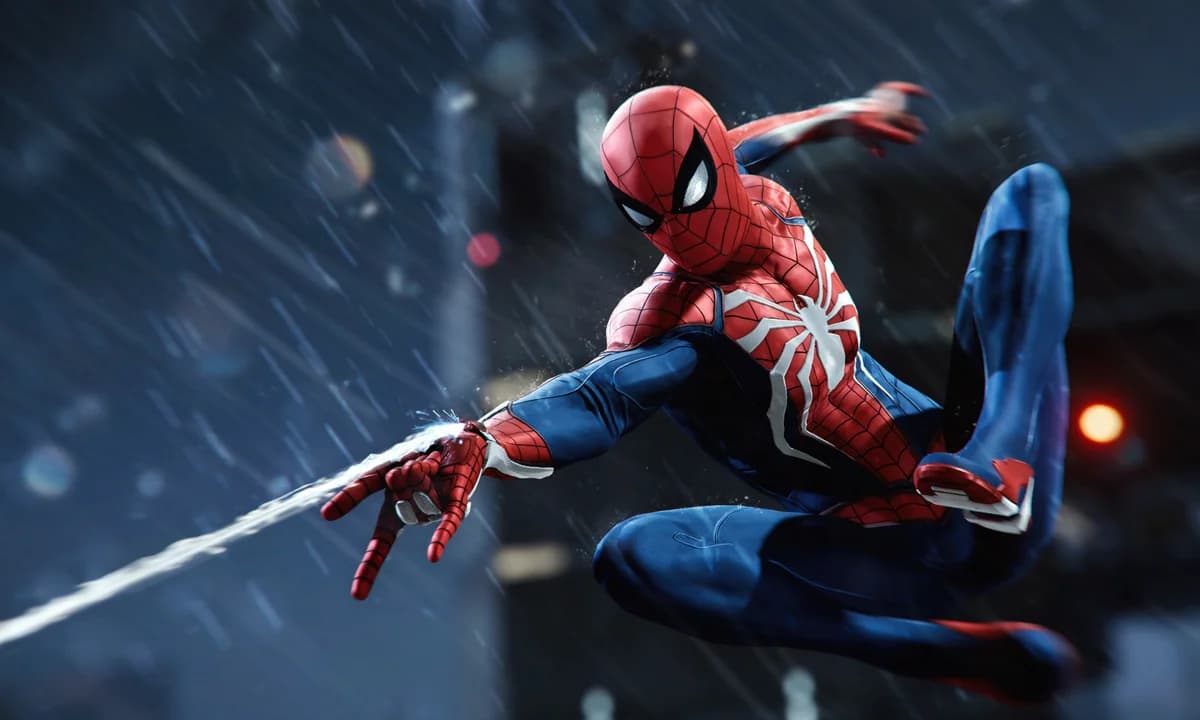
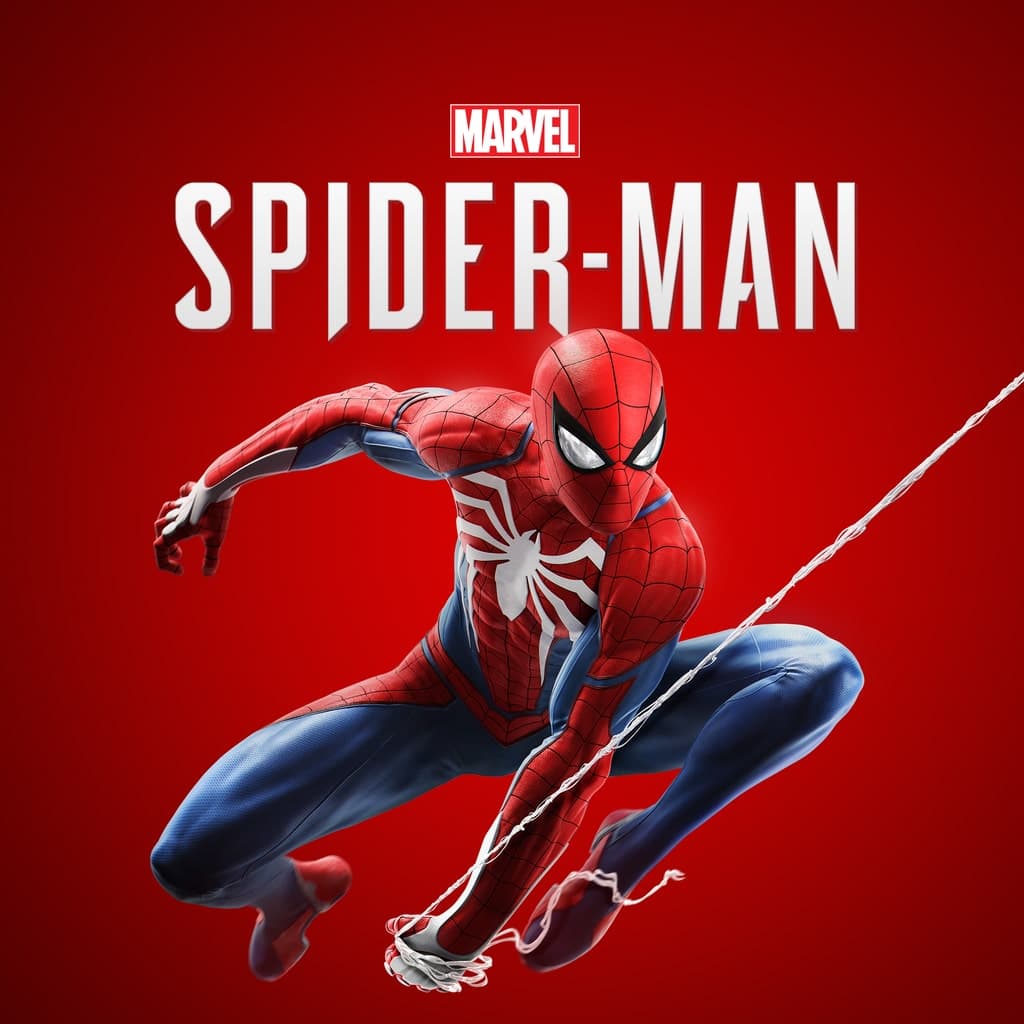
On September 7, 2018, Insomniac Games and Sony Interactive Entertainment released Marvel's Spider-Man exclusively for the PlayStation 4. It was a launch that felt less like a product going on sale and more like a city opening its gates. Within three days the game had sold 3.3 million copies, making it the fastest-selling first-party PlayStation title to that point, edging past the 3.1 million that God of War had managed earlier the same year. By November it had passed 9 million units, and by August 2019 it stood at 13.2 million. USA Today estimated the opening period alone brought in at least 198 million dollars. For a superhero game, and for a studio that had never held a licensed property in its 22 year history, those numbers were extraordinary.
From Ratchet to Wall-Crawler
Insomniac Games earned its reputation across two decades on original franchises like Spyro the Dragon, Ratchet & Clank, Resistance, and the manic open-world shooter Sunset Overdrive. Spider-Man was a departure. The license came about when Sony Interactive Entertainment vice president Connie Booth approached Insomniac chief executive Ted Price, and Marvel made a deliberate and unusual choice: rather than tie the game to any existing film or comic run, the publisher gave Insomniac creative freedom to build its own version of the character and his world.
Creative director Bryan Intihar explained the appeal of the hero simply, noting that Spider-Man is the most relatable of the icons compared to billionaires or gods. The studio also recognized that his web-swinging traversal drew on ground it had already broken with Sunset Overdrive's momentum-driven movement. Development ran roughly four years, from the surprise reveal at E3 2016 to completion in July 2018. The team built the game on Insomniac's own proprietary engine, reworked to support 4K resolution and HDR, and set the story in a dense, living recreation of Manhattan. Lead writer Jon Paquette, working with a group that included veteran comics writers Christos Gage and Dan Slott, chose to skip the well-worn origin story entirely and instead meet a Peter Parker who had already been Spider-Man for eight years.
Why It Is Remembered
The web-swinging is what most players remember first. Reviewers gave the traversal something close to unanimous acclaim, and one critic memorably described swinging through the city at dusk as calming, almost zen-like. The combat drew praise for its speed and fluidity, and the narrative and characterization were widely admired. Marvel's Spider-Man landed an aggregate score of 87 on Metacritic, with Game Informer awarding it 9.5 out of 10, GameSpot and Destructoid both giving it 9, and IGN handing out an 8.7. The common criticism was that its open-world scaffolding, the towers and repetitive side activities, felt familiar. It was, in the words of many who played it, one of the greatest superhero games ever made.
The reach went beyond the review scores. In the United States its release-month sales were 37 percent higher than every Spider-Man game combined since sales tracking began in 1995. It was the fastest-selling physical game of 2018 in the United Kingdom, and in Japan it became the best-selling Western-developed, Sony-funded title since Crash Bandicoot: Warped back in 1998. It was named game of the year by outlets including Shacknews and The Verge, topped Wired's list, and was singled out by 128 developers in a Famitsu poll.
A Universe That Kept Growing
Marvel's Spider-Man did not end on release day. A three-part story expansion called The City That Never Sleeps arrived between October and December 2018, bringing in Black Cat, Hammerhead, and Silver Sable. The game then became the foundation of a full universe. Marvel's Spider-Man: Miles Morales followed in November 2020 as a PlayStation 5 launch title, and Marvel's Spider-Man 2 arrived in October 2023. Insomniac's Marvel's Wolverine, announced for PlayStation 5, is set to share that same continuity. The whole franchise had passed 33 million units by May 2022.
The little details are part of its charm too. Composer John Paesano reportedly spent two months perfecting the main theme. The final boss was rendered with roughly one million polygons, the most Insomniac had ever used for a single character at the time. Stan Lee appears in a cameo as a short-order cook. And when a fan asked the team to hide a marriage proposal inside the game, they did, then offered to quietly remove it after the relationship ended, only for the fan to ask that it stay.
Seven years on, September 7 remains the day a shooter studio proved it could make one of gaming's most beloved characters feel truly like flight.
## Sources
- https://en.wikipedia.org/wiki/Marvel%27s_Spider-Man_(video_game)
- https://blog.playstation.com/2018/04/04/marvels-spider-man-swings-to-ps4-september-7-collectors-digital-deluxe-editions-detailed/
- https://x.com/insomniacgames/status/1964821928369078302
No comments yet. Be the first.